



How a U.S. Activist’s Global Funding Web Intersects with China
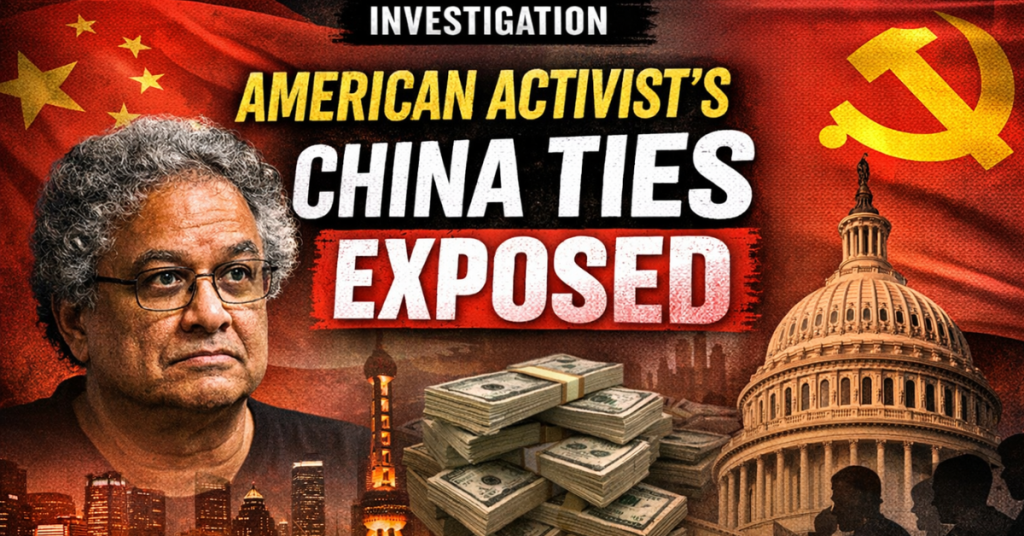
A growing body of reporting is drawing attention to a complex international network tied to American businessman Neville Roy Singham, raising questions about the intersection of activism, media influence, and foreign alignment.
Investigations based on corporate filings, nonprofit disclosures, and Chinese institutional partnerships suggest that Singham’s operations extend far beyond traditional philanthropy, reaching into global media ecosystems, academic collaborations, and ideological initiatives aligned with narratives promoted by the Chinese Communist Party (CCP).
A Global Network with Ideological Focus
Singham, a former tech entrepreneur who sold his company ThoughtWorks in 2017, has since financed a wide range of activist organizations, media platforms, and research initiatives across multiple continents.
These efforts are often framed around anti-imperialism, Global South solidarity, and critiques of Western institutions. However, critics argue that the network’s messaging frequently mirrors or amplifies positions consistent with Chinese state narratives.
At the center of this ecosystem is a web of organizations, including think tanks, digital media outlets, and advocacy groups, many of which share overlapping leadership, funding streams, or editorial alignment.
Ties to Chinese Institutions and Media Ecosystems
Reporting indicates that elements of Singham’s network collaborate with Chinese universities, state-linked academic institutions, and media platforms operating within China’s information environment.
Events and forums connected to these efforts have included partnerships with:
- Chinese universities such as Fudan University and Shanghai Jiao Tong University
- State-linked communication institutes
- Media outlets described by watchdog groups as aligned with Chinese government narratives
These collaborations have included conferences, joint publications, and the dissemination of research and commentary across both Chinese and international audiences.
Media Operations and Narrative Distribution
A significant component of the network appears to involve media production and distribution.
Platforms tied to the network have published content in multiple languages and across global regions, often focusing on:
- Geopolitics and international relations
- Critiques of Western foreign policy
- Positive framing of China’s governance model
Some of these outlets draw directly from Chinese state media sources or collaborate with organizations that operate within China’s broader propaganda and communications infrastructure.
In certain cases, content has been republished or amplified by Chinese digital platforms, extending its reach within and beyond China.
Financial Flows and Organizational Overlap
Financial records reviewed in various reports suggest millions of dollars have flowed between U.S.-based nonprofits and entities operating in China or linked to Chinese partners.
These financial connections are often accompanied by:
- Shared office spaces
- Overlapping personnel
- Joint ventures and consulting arrangements
Such overlap has made it difficult, according to some analysts, to clearly distinguish where independent activism ends and coordinated influence efforts begin.
Congressional Scrutiny and Ongoing Questions
The network has drawn increasing attention from U.S. lawmakers, particularly among Republican-led committees examining foreign influence and nonprofit transparency.
Congressional inquiries have raised concerns about whether some of these organizations could fall under regulations governing foreign influence operations, including the Foreign Agents Registration Act (FARA).
At the same time, Singham has publicly denied working for or taking direction from the Chinese government, stating that he operates independently and is not a member of the Chinese Communist Party.
The Broader Context: Influence in a Multipolar World
The debate surrounding Singham’s network reflects a larger geopolitical shift.
As global power becomes more distributed, information ecosystems are increasingly shaped by cross-border partnerships, ideological alliances, and competing narratives about governance, history, and international order.
Supporters of the network argue that it offers alternative perspectives often excluded from Western media. Critics counter that it represents a coordinated effort to reshape global discourse in ways favorable to authoritarian systems.
Conclusion
The full scope and intent of Singham’s network remain subjects of ongoing investigation and debate.
What is clear is that the lines between activism, media, and geopolitical influence are becoming more blurred. As governments and institutions grapple with these realities, scrutiny of transnational networks like this one is likely to intensify.