


U.N. Faces Historic Budget Crisis as U.S. Reins In Spending
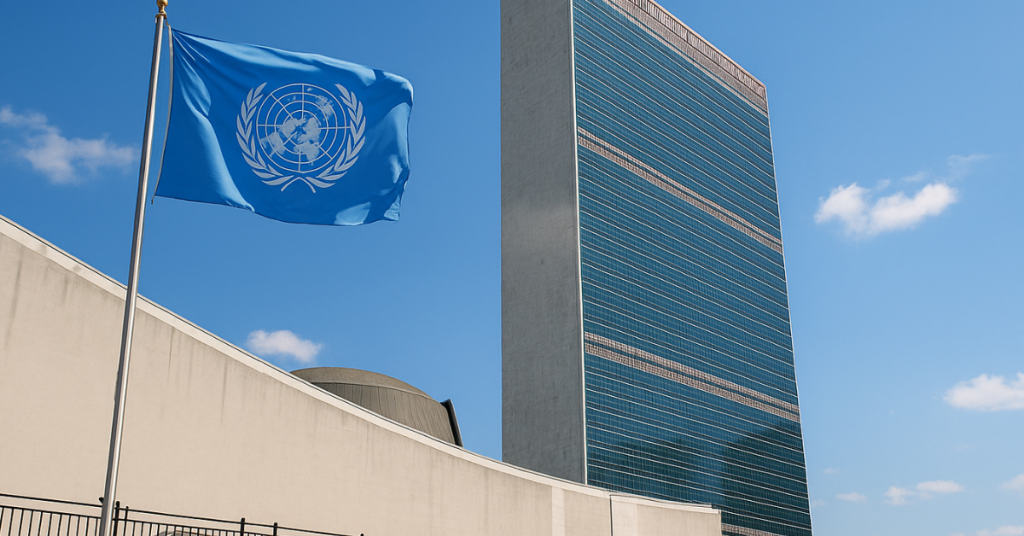
The United Nations is facing its most severe financial crisis in decades after the United States, its largest contributor, halted payments to the organization’s regular budget. The move, driven by President Donald Trump’s renewed “America First” approach, has left the U.N. preparing for sweeping cuts, staff reductions, and potential relocation of operations to less costly cities.
U.N. Secretary-General António Guterres has warned of “diminished capabilities” as the organization seeks to navigate global conflicts in Gaza, Ukraine, and beyond while confronting sharp resource constraints. The 2026 budget proposal already reflects more than a 15 percent cut from 2025 levels, with significant reductions planned under the UN80 reform initiative.
Trump’s administration has made no secret of its intent: to scale back U.S. participation in international bodies it views as inefficient, unaccountable, or misaligned with American interests. His new ambassador to the U.N., Rep. Michael Waltz, has pledged reforms, insisting that U.S. taxpayers should not “underwrite a bureaucracy that too often undermines U.S. sovereignty and security.”
Supporters of the decision argue the cuts reflect long overdue discipline and force an organization known for sprawling programs and entrenched bureaucracy to streamline operations. “This is about accountability,” said one administration official. “For too long, the U.N. has assumed America would pay the bills without asking tough questions.”
Critics, however, warn the withdrawal risks weakening global diplomacy at a time of heightened geopolitical tension. Senate members from both parties have traditionally defended U.N. engagement, even as House Republicans push for further limits on funding. Diplomats warn that rivals such as China may step into the gap, increasing their influence within the organization.
For Trump, the confrontation with the U.N. is likely to become another showcase of his broader foreign policy — one that emphasizes national security, fiscal restraint, and skepticism of global institutions. As he prepares to address the General Assembly, the administration is expected to highlight the financial freeze as proof that the U.S. is willing to demand change, not just write checks.
If the U.S. ultimately refuses to pay its assessed dues, it would mark the first time in history that Washington has fully withheld its obligation, a turning point that could reshape the future of multilateral diplomacy.