



Grief, Anger, and the Choice of Love
Today, with so many emotions flowing and so much violence in our society, many of us are often faced with grief and starved for love (of self, of others and of life). When grief crashes in on us, our bodies surge with stress chemicals — cortisol, adrenaline, norepinephrine. These sharpen survival reflexes but cripple empathy. Tragically, grief all too often flips into anger because the body chemistry makes it feel active, powerful, even righteous. But it blocks the softer, healing of grief — the vulnerability, the love, the tears that connect us and bring that feeling of homecoming.
Felt anger is natural — a signal. But when unrestrained, it often becomes a confession of powerlessness: the inability to resolve through persuasion, negotiation, or understanding. Unbridled anger, acted upon, spirals into cycles of guilt, blame, even violence. And — a bit of magic here — when we have the courage to grieve, alone or with others, our human experience is refreshed. It opens us to legacy, memory, story, and the simple rituals that keep us human: meals shared, hands held, tears shed, and a warm embrace.
Today’s generations face a special risk. Raised on (impersonal) liquid crystal screens — instead of dealing with real-world friction face to face with others — in the cyberverse they may default more easily to anger, addiction, or despair when grief lands. That makes restoring touch, play, and presence urgent.
Love is the antidote. Not sentimentality. Not escape: the active choice to grieve together, to soften rather than harden. In grief, we find the only true immortality: the love we give and the love we leave behind. The ultimate warrior knows grief as well as combat skills.
“And in the end, the love you take is equal to the love you make.”
– The Beatles
Subscribe to DailyClout so you never miss an update!
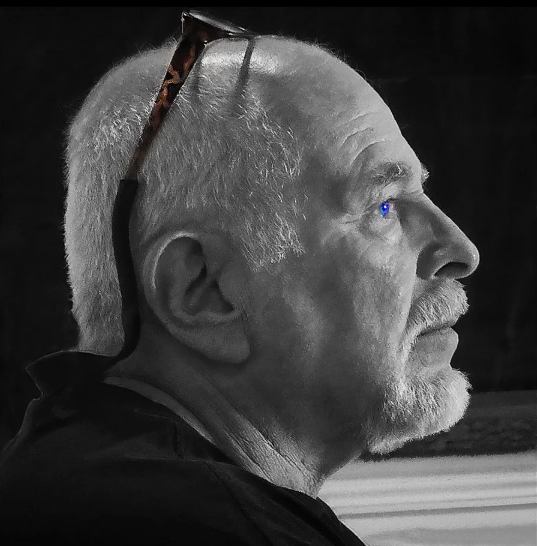
Peter Hymans, aka “The Glass Gun” is a Northern California “Baby Boomer” who agonized with the rest of the nation as the 4-days of the JFK assassination unfolded. At Whittier College, Peter studied political science, photography and creative writing. As a writer/photographer for the college newspaper, he met and photographed Bobby Kennedy, in Los Angeles – two days before his murder.
The mishandling of the evidence around Bobby’s death spot-welded Peter’s research passion into his life. He worked with several of the very early research pioneers. Peter is the official photographer for several conferences, where he is highly praised for his still photography and video interviews. His solution, orientation and devotion to truth, captivates and informs, in a fresh way and without excessive detail.
One of our country’s most important freedoms is that of free speech.
Agree with this essay? Disagree? Join the debate by writing to DailyClout HERE.