


U.S. Sanctions Nine Iranian “Shadow Fleet” Vessels to Cut Off Regime Funding Amid Brutal Crackdown
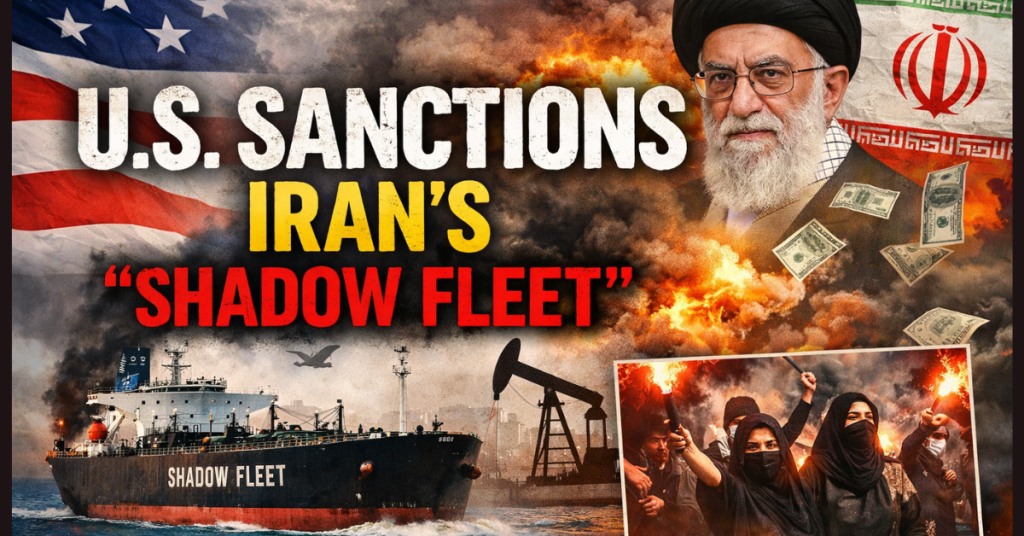
The U.S. Treasury Department’s Office of Foreign Assets Control (OFAC) announced a sweeping new round of sanctions Friday targeting nine vessels and their owners linked to Iran’s so-called “shadow fleet” — a covert maritime network used to export Iranian crude oil and petroleum products to global markets. The move is part of the Trump administration’s maximum pressure campaign on Tehran and comes amid widespread international outrage over the Iranian regime’s brutal suppression of nationwide protests and its near-total shutdown of internet access to conceal human rights abuses.
Shadow Fleet Sanctions: What Was Announced
OFAC designated nine vessels and eight associated companies that are alleged to have helped transport hundreds of millions of dollars’ worth of Iranian oil, liquefied petroleum gas (LPG), and other petroleum products to foreign markets. Revenue from these oil shipments, U.S. officials say, has been diverted from benefiting ordinary Iranians and instead funneled into Iran’s regional terror proxies, weapons programs, and internal security services.
The sanctioned tankers include ships like SEA BIRD, AVON, AL DIAB II, CESARIA, LONGEVITY 7, EASTERN HERO, AQUA SPIRIT, CHIRON 5, and KEEL — many flagged under Palau, Panama, or Comoros and operated by shell companies in jurisdictions across the Middle East and South Asia.
All nine vessels and their owners are now designated under Executive Order 13902, which targets Iran’s petroleum and petrochemical sectors. Their property and interests in U.S. jurisdiction are blocked, and U.S. persons generally are prohibited from engaging in transactions involving these entities without explicit OFAC authorization.
Why the U.S. Is Escalating Pressure Now
In announcing the sanctions, Treasury Secretary Scott Bessent said the action aims to cut off a “critical component of how Iran generates the funds used to repress its own people,” underscoring that oil revenues should belong to the Iranian populace, not Tehran’s security apparatus. He added that the Iranian regime’s decision to prioritize support for terrorism and repression over domestic needs has helped drive Iran’s currency into a free fall and erode living conditions for ordinary citizens.
This sanctions tranche comes after earlier U.S. actions targeting Iranian officials allegedly involved in the killing and imprisonment of peaceful demonstrators. Rights groups estimate that thousands have been killed and many more detained in the months-long nationwide unrest that has shaken Iran — the worst crackdown since the 1979 revolution.
Shadow Fleet: How It Works
Iran’s shadow fleet operates outside normal international shipping channels. These vessels often sail under “flags of convenience” and employ deceptive practices — such as turning off tracking beacons, conducting ship-to-ship transfers at sea, and falsifying documentation — to obscure the origin of their cargoes and evade sanctions enforcement.
This opaque network emerged after the reinstatement of U.S. sanctions following America’s withdrawal from the 2015 nuclear deal (JCPOA). With Iran’s formal energy exports increasingly restricted, the regime has relied on these clandestine routes to sustain vital revenue streams — including proceeds that critics argue subsidize militant proxies and bolster Tehran’s regional influence.
The Broader Strategic Picture
The latest sanctions fit into a broader U.S. strategy aimed at squeezing the Iranian economy to compel policy shifts. Since Trump returned to the White House, Washington has repeatedly targeted Iranian oil exports and shipping networks. In late 2025, the Treasury expanded actions against scores of vessels allegedly tied to Tehran’s covert petroleum trade, intensifying pressure on the regime’s ability to earn hard currency.
Although Iran’s leadership insists its nuclear program is peaceful and denies wrongdoing, the U.S. has paired sanctions with military signals — including deploying an aircraft carrier strike group to the region — to deter escalation. Tehran, for its part, has vocally rejected U.S. pressure and accused Washington of exploiting internal unrest for geopolitical leverage.
Implications for the Region and the Iranian People
Cutting off shadow-fleet oil revenues could reduce the financial flows that support Tehran’s regional partners, including groups classified by the U.S. as terrorist organizations. But the sanctions also risk deepening economic hardship inside Iran, where inflation and unemployment are already pressing domestic concerns.
Critically, the U.S. framing of these sanctions emphasizes redistribution of wealth — insisting that oil revenue should benefit the Iranian populace rather than Tehran’s security and foreign intervention apparatus. Whether these measures will meaningfully alter Tehran’s calculus — or worsen conditions for average Iranians without forcing political reform — will be central to the unfolding policy debate.
Subscribe to DailyClout so you never miss an update!
