



Sanctuary policies come at the expense of citizens
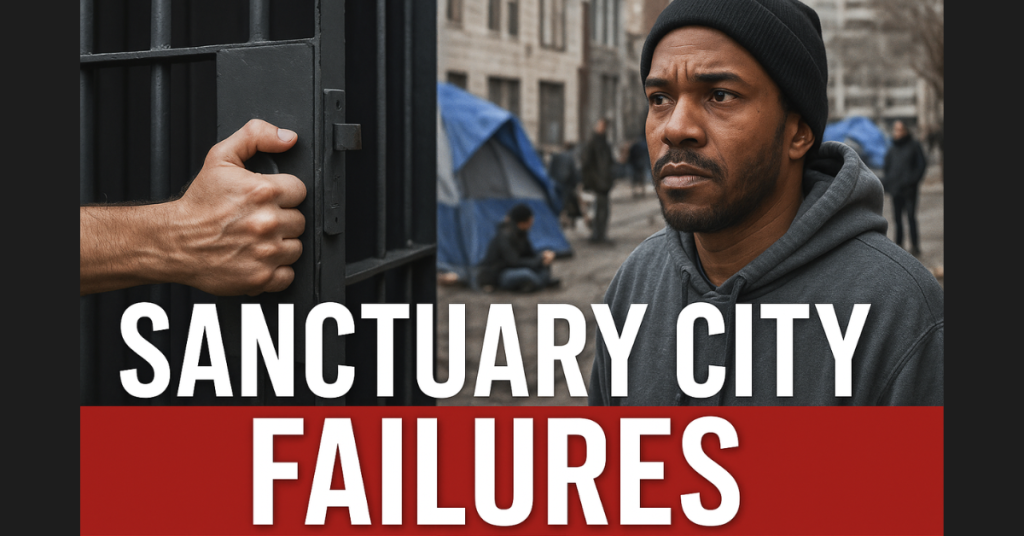
For years, New York City has proudly declared itself a “sanctuary city,” refusing to cooperate fully with federal immigration enforcement. While the slogan carries a humanitarian gloss, the lived reality for many New Yorkers has been quite different. A series of very real, documented incidents reveal how these policies have endangered residents, strained resources, and deepened a crisis of public trust.
According to City Council District 46 candidate Athena Clarke:
“As the daughter of Jamaican immigrants, I understand the sacrifices people make to build a better life. But sanctuary city policies often come at the expense of citizens.
In New York City, billions have been spent on undocumented immigrants while many residents struggle with housing, healthcare, and basic services. The mayor has offered free shelter, medical care, and food assistance, yet citizens are left neglected.
The imbalance is clear: James Madison High School was closed for a day to house migrants, while during the pandemic, unvaccinated parents were barred from entering schools. Citizens were held to one standard, immigrants to another.
Sanctuary policies may be well-intentioned, but they risk undermining the very people they are meant to protect.”
To donate to Athena Clarke’s campaign, click here.
Criminals Released Back Onto the Streets
One of the most troubling consequences of sanctuary policies is the release of violent offenders who should have been transferred to federal immigration authorities. In 2020, ICE reported that NYC had ignored over 7,500 detainer requests in a single year. Among those released was Reeaz Khan, an illegal immigrant from Guyana who had previously been arrested for assault. After NYC authorities released him instead of turning him over to ICE, he was charged with the brutal murder of 92-year-old Queens resident Maria Fuertes. This tragedy is not an isolated incident—it is the direct outcome of policies that forbid cooperation with federal law enforcement.
Overloaded Shelters and Strained Services
Since the border crisis escalated in 2022, tens of thousands of migrants have been bused to New York. By 2025, the city reported over 200,000 asylum seekers had entered its shelter system. Hotels, once serving tourists, have been converted into emergency shelters. School gyms have been filled with cots. Residents in neighborhoods like Staten Island, Queens, and Brooklyn have protested as local community centers and recreation spaces were repurposed to house migrants. This influx has driven the shelter system far past capacity, forcing budget cuts in other essential services.
Rising Costs for Taxpayers
Mayor Eric Adams has repeatedly warned that the sanctuary city mandate is financially unsustainable. In 2023, Adams admitted that the cost of housing, feeding, and providing services for migrants could exceed $12 billion over three years. To cover the gap, NYC cut funding from public libraries, sanitation services, and education programs. Everyday New Yorkers are paying the price for a political policy that was never financially grounded.
Neighborhood Safety and Disorder
Beyond headline-grabbing crimes, residents report daily disturbances in their communities. Midtown Manhattan saw multiple incidents of migrant encampments, open drug use, and assaults near shelters. In 2024, a violent clash broke out at the Randall’s Island shelter between migrants and NYPD officers, leaving officers injured and residents fearful. Police unions have warned that stretched resources are making it harder to protect law-abiding New Yorkers while responding to the growing demands of the migrant crisis.
Political Hypocrisy and Backlash
Ironically, even Democratic leaders in NYC have begun criticizing the very sanctuary policies they once championed. Mayor Adams has said, “This issue will destroy New York City.” City council members in outer boroughs have pushed back against new shelters, citing safety and quality-of-life concerns for long-time residents. Ordinary working-class families, many of them immigrants themselves, are asking why their neighborhoods should bear the brunt of a national border crisis.
Conclusion
New York City’s sanctuary city experiment has moved far beyond rhetoric—it has produced real, devastating consequences. From the murder of innocent residents by released criminals, to billions in taxpayer costs, to neighborhoods overrun with emergency shelters, the policy has proven unworkable. A city cannot protect its people if it refuses to uphold the rule of law. Sanctuary may sound compassionate, but in practice it has put New Yorkers last.