



Inside RFK Jr.’s Plan to Overhaul Vaccine Liability
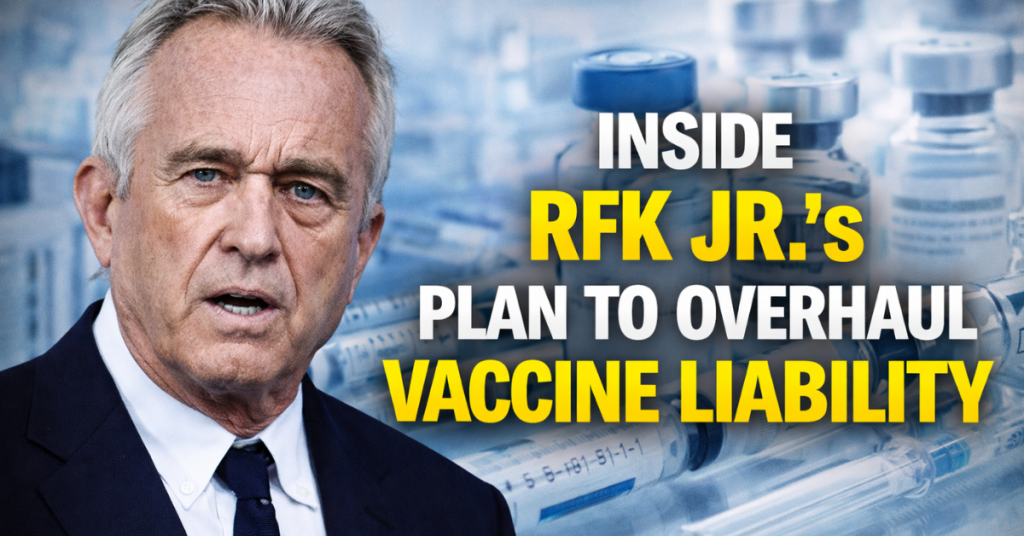
Secretary of Health and Human Services Robert F. Kennedy Jr. has proposed significant changes to federal vaccine policy, particularly targeting the Vaccine Injury Compensation Program (VICP), a decades-old system designed to protect vaccine access while compensating individuals who experience rare serious side effects. Kennedy’s proposals have drawn attention for their potential effects on vaccine manufacturers, the compensation system, and overall vaccine availability in the United States.
What Is the Vaccine Injury Compensation Program?
The Vaccine Injury Compensation Program was created by Congress in 1986 to provide a no-fault legal process for individuals who believe they have been harmed by vaccination. It was part of the National Childhood Vaccine Injury Act, aimed at stabilizing U.S. vaccine supply after lawsuits in the 1980s prompted many manufacturers to leave the market. Under the program, a small tax on vaccines funds a trust that pays compensation without requiring individuals to sue manufacturers directly.
Since its inception, VICP has paid out billions of dollars for rare but serious vaccine injuries and has provided a mechanism for individuals and families to seek compensation quickly and without protracted litigation.
Kennedy’s Proposals and Actions
Secretary Kennedy has publicly criticized the structure of the VICP, saying it is biased against claimants and in need of reform. He has said he intends to modify the program to expand who can access compensation and to “fix” what he and allies see as a flawed process.
Beyond general criticism, discussions within and around his office have included expanding the list of injuries eligible for compensation—including proposals that autism or other conditions be added to the VICP’s table of covered injuries. Experts warn that doing so could flood the program with claims and strain its financial resources.
Reports also indicate that Kennedy’s approach could create legal uncertainty for vaccine manufacturers, potentially undermining long-standing liability protections that have helped sustain vaccine availability in the United States. Critics argue that changes increasing manufacturer exposure to lawsuits could lead companies to limit production, raise prices, or withdraw from the U.S. market, similar to trends before the creation of VICP.
Expert and Industry Concerns
Public-health experts, industry representatives, and legal analysts have expressed caution about the scope of proposed changes:
-
Expanding the list of compensable injuries to include conditions like autism—without scientific consensus on causation—could dramatically increase claims against the program and threaten its solvency.
-
Vaccine manufacturers rely on the liability framework created in 1986 to operate profitably. Significant changes to VICP protections could reduce incentives to produce existing vaccines or develop new ones.
-
A prolonged or expanded claims environment could resemble conditions from the era before VICP, when lawsuits pushed several manufacturers out of the U.S. market altogether.
Industry groups and manufacturers have warned that destabilizing the current liability structure poses risks to both vaccine supply and public health.
Recent Policy Moves and Legal Challenges
Kennedy’s tenure has also seen other controversial vaccine policy decisions:
-
A lawsuit was filed by several major medical organizations, including the American Academy of Pediatrics, challenging recent changes to the U.S. childhood vaccine recommendation schedule, which scaled back universal recommendations for several common vaccines. Plaintiffs argue the changes are legally flawed and could endanger public health.
-
These organizations have also contested the composition and decision-making of the Advisory Committee on Immunization Practices (ACIP), which sets vaccine guidance. Kennedy dismissed prior ACIP members and appointed new members with different views.
Both the litigation and policy shifts illustrate the broader debate over federal vaccine policy and regulatory priorities.
Public and Political Response
Recent polling indicates notable public skepticism of Kennedy’s vaccine policy overhaul, with a significant portion of voters expressing reduced confidence in federal vaccine guidance under his leadership. Some support comes from individuals who favor personal choice in health decisions, though many medical professionals and public-health advocates oppose changes they see as undermining established, evidence-based vaccination practices.
At the same time, advocacy groups such as the Taxpayers Protection Alliance have publicly criticized Kennedy’s role and policies, arguing they could harm public health and vaccine markets while eroding trust in institutions.
What Comes Next
As Kennedy’s proposals evolve, Congress, courts, and public-health agencies are likely to play significant roles in determining whether any changes to the Vaccine Injury Compensation Program take effect. Given the legal challenges and technical requirements for modifying the VICP, any major overhaul would likely involve extended rulemaking and legislative debate.
DailyClout will continue to monitor developments on vaccine policy, compensation law, and industry response as this issue unfolds.