



IDF Escalates Strikes in Lebanon Amid Rising Tensions with Hezbollah and Iran
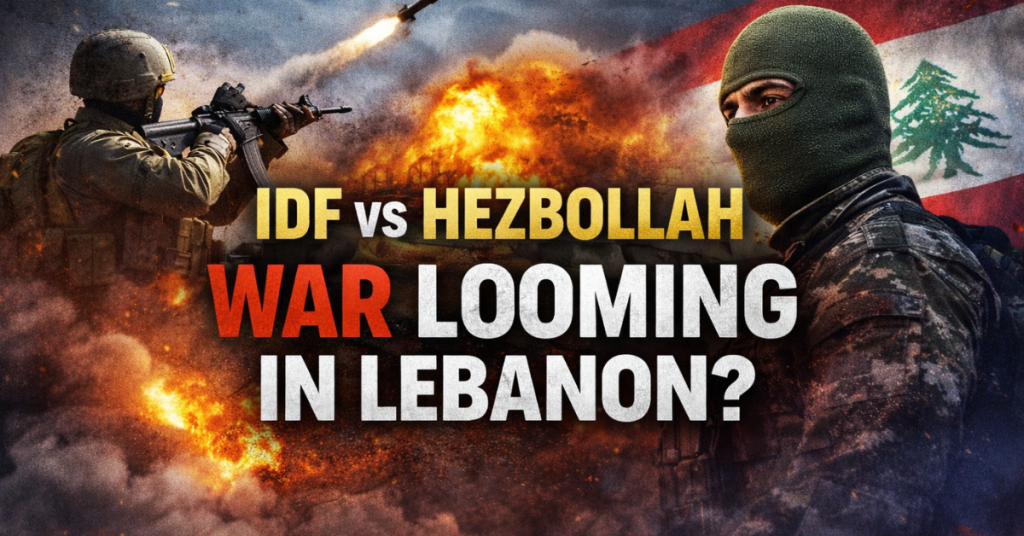
The Israeli Defense Forces (IDF) have sharply increased air and drone strikes against Hezbollah and allied militant infrastructure in southern Lebanon in recent days, signaling mounting concerns in Jerusalem about Hezbollah’s growing capabilities and potential support for Iran in any future regional conflict.
According to Israeli officials, recent operations have targeted Hezbollah operatives, weapons depots, rocket launchers and other military sites with the aim of degrading the group’s ability to re-establish an armed infrastructure along Israel’s northern border. Since early February, an estimated dozen Hezbollah and Islamic Jihad fighters have been killed in these actions, part of what the IDF describes as a campaign to counter renewed militant activity.
In a statement this week, the IDF confirmed that its 91st Division had killed multiple Hezbollah operatives involved in efforts to rebuild the group’s capabilities inside Lebanon — including in the Tallouseh area of southern Lebanon, east of the Israeli border.
Ceasefire Era Operations and Hezbollah’s Response
Israeli operations in Lebanon come against the backdrop of a ceasefire that took effect in November 2024 following a year-long conflict between Israel and Hezbollah that erupted after the Hamas terrorist attacks of October 7, 2023. Although full-scale hostilities temporarily subsided, the IDF has continued to conduct precision strikes when Israeli commanders deem militant activity inconsistent with the ceasefire terms.
Beirut and allied Lebanese officials have increasingly criticized Israel’s campaign, arguing that continued strikes risk undermining regional stability and complicating Lebanon’s own efforts to assert governmental control over armed groups north of the Litani River. Lebanese attempts to implement a phased plan to disarm Hezbollah have been politically fraught, and senior Hezbollah figures have publicly rejected timelines they say favor Israeli security interests.
Hezbollah itself has remained publicly cautious in its responses. Some analysts suggest that the group, whose conventional capabilities were significantly diminished by the 2024 conflict, may seek to avoid a full escalation unless Tehran or broader regional dynamics compel it toward a confrontation.
Tactical Shifts and Broader Regional Stakes
The latest IDF operations appear to reflect both tactical and strategic calculations. On the tactical level, the strikes are designed to disrupt ongoing Hezbollah efforts to reconstitute weapons production or force-projection capacities near the border. On the strategic level, they signal Israeli concerns about Hezbollah’s integration into wider Iranian military planning — especially if tensions between Tehran and Washington intensify.
In recent conflict episodes, the IDF has also struck suspected Hamas and Palestinian Islamic Jihad targets in Lebanon, including vehicles and compounds near the Syrian border, illustrating how loosely aligned militant networks operate across multiple theaters and risk pulling Israel into wider engagements. Casualties among fighters have been reported, although details vary between Israeli and Lebanese accounts.
Diplomatic and Security Implications
The escalation in Lebanon occurs amid ongoing diplomatic efforts to de-escalate tensions across the Middle East, including U.S.-Iran negotiations in Europe and broader talks over regional security architectures. At the same time, Lebanon’s own government faces pressure domestically and internationally to assert control over militias and prevent further violations of ceasefire agreements.
For Israel, maintaining pressure on Hezbollah is tied both to immediate northern border security and to wider concerns about Iranian influence in the region — particularly in light of the ongoing conflict with Hamas in Gaza and recent signs of expanded militancy across multiple fronts.
Whether the recent strikes will deter Hezbollah’s rebuilding efforts or instead provoke a broader round of hostilities remains uncertain. But the uptick in Israeli operations underscores the fragility of the current ceasefire and reflects deepening tensions that could shape the region’s security landscape in the months ahead.