



Tamara Lich and Chris Barber Sentenced for Freedom Convoy Role
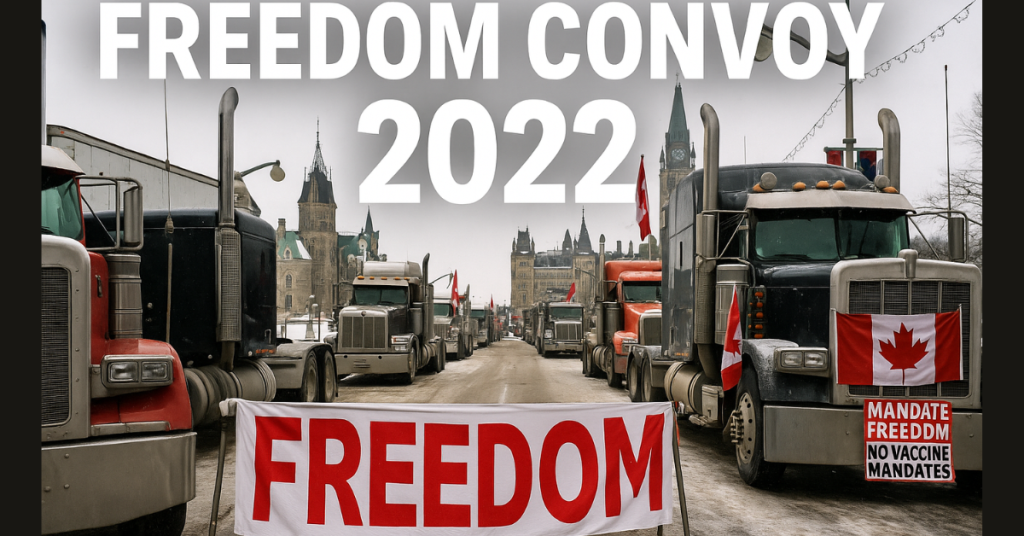
Justice Heather Perkins-McVey of the Ontario Court of Justice on Tuesday sentenced Tamara Lich and Chris Barber, two of the central figures behind the 2022 “Freedom Convoy” protests in Ottawa. Both received an 18-month conditional sentence—12 months of house arrest followed by six months of curfew.
This outcome was far lighter than the seven and eight years of imprisonment sought by Crown prosecutors. Defense counsel for Lich said he was “pleased” with the ruling, stressing that the main goal was avoiding jail time, though he added that his client may still appeal the conviction.
Balancing Deterrence and Protest Rights
In her decision, Justice Perkins-McVey said the sentence was designed to deter unlawful behavior without discouraging lawful political protest in the future. Local reporting notes that the judge acknowledged the unique circumstances of the convoy but emphasized that the law must still be enforced when protests obstruct public order.
Criminal Mischief Conviction
The pair were previously convicted in April for criminal mischief, defined in Canada’s Criminal Code as willfully obstructing, interrupting, or interfering with the lawful use of property. In serious cases, mischief can carry up to ten years in prison.
The 2022 Freedom Convoy and Its Impact
The charges stemmed from weeks-long demonstrations by truckers in Ottawa, who opposed COVID-19 vaccine mandates and related government restrictions. The convoy parked hundreds of trucks around Parliament Hill, blaring horns day and night, which disrupted businesses, traffic, and local residents.
The protests prompted the Canadian government to invoke the Emergencies Act, giving authorities expanded powers to disperse demonstrators and restrict financial support. Months later, a federal court found the government’s use of the Emergencies Act unlawful.
What Comes Next
While Lich and Barber avoided jail, their conditional sentences mark a significant legal precedent in Canada’s approach to disruptive protests. Prosecutors indicated they pursued harsher penalties to deter future large-scale occupations, while defense lawyers argued their clients were exercising protected political expression.
Both Lich and Barber remain prominent figures in Canada’s protest movement, and their next legal steps—particularly a possible appeal—could further shape the national debate over free expression, public order, and government overreach.
DailyClout.IO will continue to follow this story.