



COVID Masks Created 4.3 Million Tons of Toxic Waste
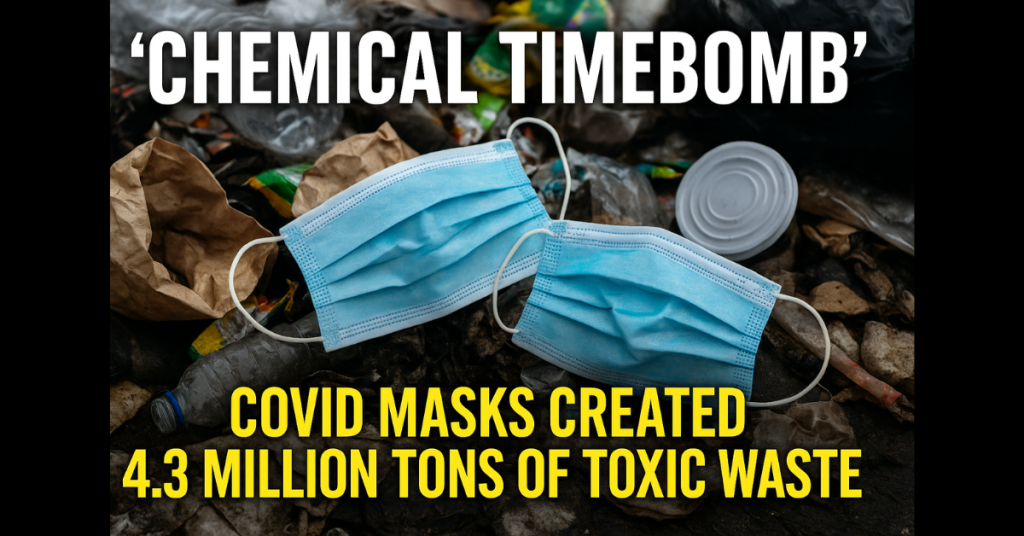
A new study published in Environmental Pollution has sounded the alarm: disposable COVID-19 masks — once promoted as essential to public health — have left behind 4.3 million tons of toxic waste. These masks are now breaking down, releasing microplastics, dyes, and heavy metals into the environment. Scientists warn that this “chemical timebomb” will have consequences for human health, wildlife, and ecosystems for generations to come.
The Scale of the Problem
At the height of the pandemic, governments around the world, including the U.S. Centers for Disease Control and Prevention (CDC), urged mass mask usage to curb the spread of COVID-19. Research cited in the new study estimates that 129 billion disposable masks were used globally each month. Most of these masks were made from polypropylene and other plastics, often containing metal nose clips and chemical additives.
The study found that these materials were not recyclable. Instead, they piled up in landfills, littered city streets, clogged waterways, and washed up on beaches. Within a year, this translated into millions of tons of contaminated, unrecyclable waste leaching dangerous substances into the environment.
What the Masks Are Leaching
Researchers tested unused surgical masks, respirators, and filtering face pieces by soaking them in purified water for 24 hours. Even without daily wear and tear, every mask type released microplastics and toxic chemicals.
Key findings include:
-
Microplastics: All masks shed particles, with respirator-style FFP2 and FFP3 masks releasing 3–4 times more microplastics than surgical masks. Many particles measured under 100 micrometers, small enough to infiltrate human lungs and organs.
-
Bisphenol B: An endocrine-disrupting chemical detected in the tests. Known to mimic estrogen, it is linked to reduced sperm counts, altered reproductive organs, and hormonal disruption.
-
Other Additives: Dyes, organic compounds, and heavy metals were also found, which can persist in water and soil.
This leaching means the masks not only pose a waste-disposal challenge but also directly threaten aquatic life, food safety, and human health as pollutants enter the food chain.
A “Chemical Timebomb” With Long-Term Consequences
Lead author Dr. Anna Bogush of Coventry University described the discarded masks as a “chemical timebomb.” With plastic production already fueling a steady rise in microplastic contamination worldwide, the pandemic surge amplified an already dire environmental crisis.
The report warns that as discarded masks break down, they provide not only pollutants but also breeding grounds for pathogens such as bacteria, viruses, parasites, and fungi.
Rethinking Future Preparedness
The irony is stark: masks promoted to protect public health during COVID-19 are now seen as a global environmental hazard. Critics note that even the CDC’s own research found limited effectiveness of masks in preventing respiratory virus transmission, yet billions were manufactured and distributed without sustainable planning.
Going forward, experts argue that governments and manufacturers must prioritize biodegradable alternatives, improved recycling systems, and honest assessments of public health measures before mandating mass adoption.
As Bogush concluded:
“It’s vital that we raise awareness of these risks, support the development of sustainable alternatives, and make informed choices to protect both our health and the environment.”
Conclusion
The COVID masks toxic waste crisis highlights the unintended consequences of emergency public health measures implemented without long-term environmental foresight. With millions of tons of microplastic-laden waste now contaminating land, air, and water, the fallout may last generations.
The lesson is clear: in protecting ourselves from one crisis, we must not sow the seeds of another.
DailyClout.IO will continue to follow this story.