


Inside the Secret DNC Influencer Pay Program
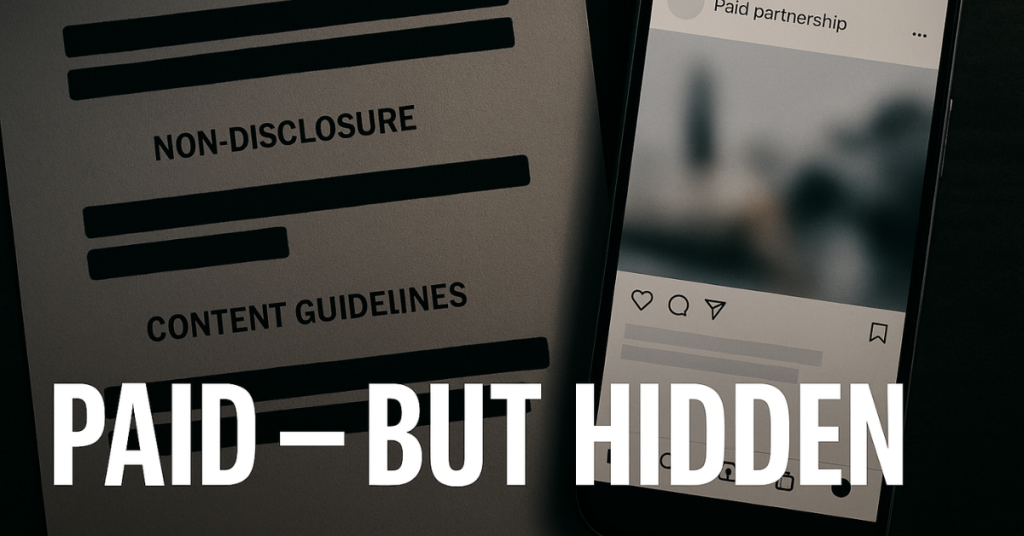
Last week, WIRED reported that a dark money influencer program recruited roughly 90 left-leaning creators (a claimed 40 million total followers) and offered stipends up to $8,000 per month to push coordinated messaging before 2026. Contracts reviewed by WIRED barred public disclosure of the funding, restricted some political content, and let organizers police creator activity tied to program events. That mix—money, message discipline, and nondisclosure—sparked the scandal.
Who’s behind it (without the alphabet soup)
The operation ran through a nonprofit “incubator” called Chorus, with a larger liberal fiscal sponsor handling back-office services—an arrangement common in advocacy that also keeps donor identities out of public view. Supporters say that structure is legal issue advocacy; critics call it dark-money plumbing designed to move cash quickly and quietly into influence operations. The Verge’s follow-up emphasizes the same problem: the secrecy—more than the payments—shattered trust with audiences and creators.
What the paperwork required
According to WIRED, the agreements:
-
Prohibited disclosure of the funding relationship or program participation;
-
Restricted content produced at program events;
-
Gatekept access, with organizers able to weigh in on interviews and appearances.
Those terms made the dark money influencer program look less like a “scholarship” and more like a paid media silo—fueling backlash across the creator world.
The defenses—and the real risk
Chorus and allies argue they’re professionalizing progressive media, not running covert campaign ops, and note that conservative ecosystems have supported creators for years. But even if the activity sits in issue-advocacy lanes, FTC rules still expect clear, conspicuous disclosure whenever money changes hands online. Hiding the relationship isn’t just bad optics; it invites complaints.
Why it matters beyond one incubator
Influencer ecosystems thrive on authenticity and visible networks. The Verge points out that top-down message control—plus gag clauses—undercuts both. If operators rewrite contracts to allow standard “paid partnership” disclosures and loosen content controls, this dark money influencer program could limp on. If not, it becomes a case study in how secrecy kills persuasion in 2025.
DailyClout.IO will continue to follow this story.
Sources and further reading:
https://www.wired.com/story/dark-money-group-secret-funding-democrat-influencers
https://www.theverge.com/regulator-newsletter/769232/democrats-chorus-influencer-program-regulator
https://www.ftc.gov/business-guidance/resources/ftcs-endorsement-guides-what-people-are-asking
https://www.ftc.gov/system/files/documents/plain-language/1001a-influencer-guide-508_1.pdf